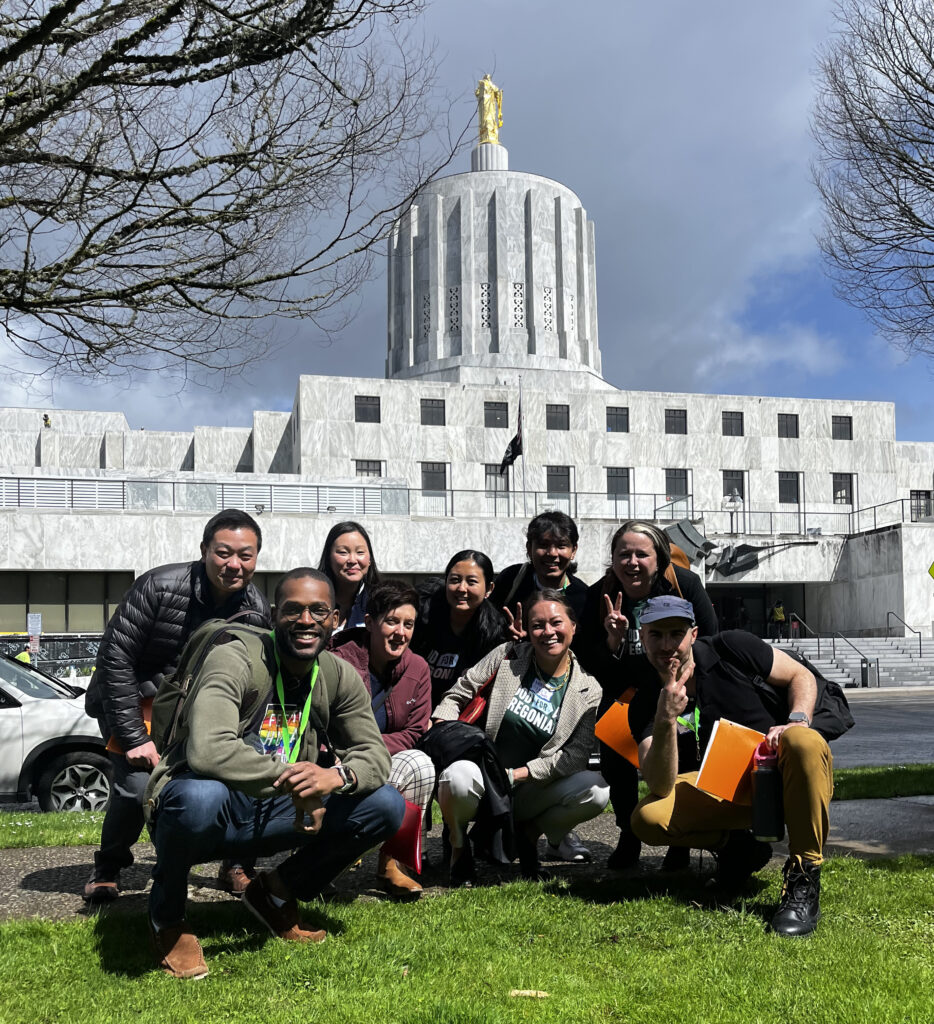
Each year since 1989, the Oregon Hunger Task Force has monitored
and examined food insecurity in Oregon and presented policy recommendations to the legislature.
Hunger in Oregon has reached unprecedented levels and demands bold, coordinated action. Since the passage of H.R. 1, more than 60,000 Oregonians have lost food assistance, grocery prices have increased by 30% since the pandemic, and food providers across the state are experiencing record demand. The Oregon Food Bank Network alone reports a 50% increase in visits over the past two years, while many independent food pantries, meal sites, and mutual aid organizations are experiencing similar increases that are not tracked statewide.
It is critical that the Governor and Legislature advance policies that help families afford food, strengthen community food systems, and build toward a more resilient food assistance network capable of meeting both today’s needs and tomorrow’s challenges.
The OHTF’s 2027 recommendations focus on three interconnected goals: meeting immediate food needs, preparing Oregon for future disruptions, and strengthening long-term economic stability. Food security is foundational to economic security, hunger undermines a person’s ability to work, learn, care for their family, and participate fully in the economy. These recommendations pair policies that help Oregonians afford food today with investments in local food systems, coordination, and resilient infrastructure that can reduce the impact and cost of future crises.
In a constrained budget environment, Oregon’s greatest opportunity is to maximize the resources it already has. Access to nutritious food is shaped by more than any single program or policy. Building a strong, equitable food system requires coordinated action across three complementary areas: strengthening the policies, partnerships, and governance structures that support food access; investing directly in programs that provide food and nutrition assistance to individuals and families; and advancing broader economic policies that improve household financial stability and affordability. Together, these priorities recognize that food security depends not only on the availability of assistance when it is needed, but also on the systems that deliver support effectively and the economic conditions that enable people to reliably purchase the food they need. By addressing food access through governance, direct investment, and economic opportunity, policymakers can create lasting solutions that improve health, reduce hunger, and strengthen communities.